An insert is an appliance in the eyes of the rules
Owners often picture an insert as furniture that slides into the hearth. The codes see it differently. Once a sealed firebox sits in the old opening, it is a listed appliance, and "listed" is the word that drives everything else. The maker has tested that unit with one kind of vent, one set of clearances and one method of joining it to the chimney. The install has to match the printed manual. When it does not, a city inspector can decline to sign it off, and an insurer looking at a fire claim will ask why.
Plenty of Garden Grove homes date from the postwar tract years, with a brick or block chimney and a clay tile flue sized for an open fire. An insert sends a smaller, hotter stream of exhaust up that same chimney. In a flue that is too big for it, the gases slow down, cool, and leave moisture and tar on the tile. That is why the manufacturer, the building code and NFPA 211 all land on the same answer: the insert gets its own liner, from the appliance outlet to the top of the stack.
Rules that shape an insert job in Garden Grove
These are the rules we work to on almost every insert we quote, with what each one means in your living room.
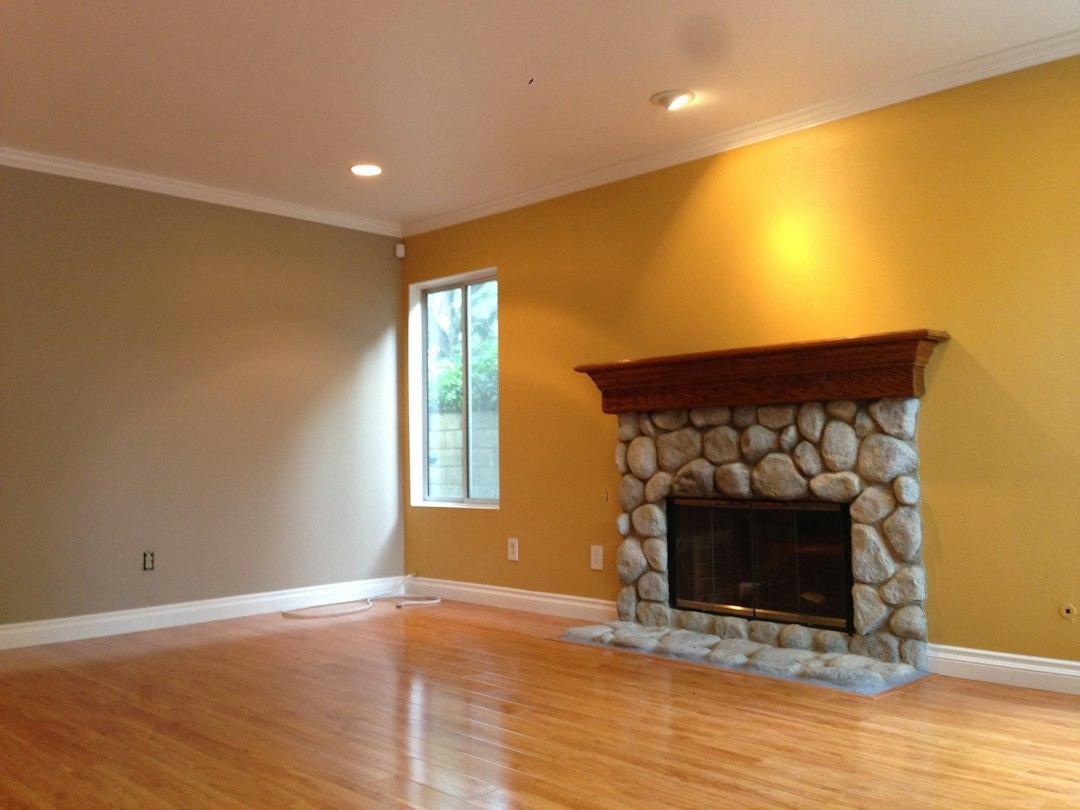
- The manual is the law of the job. It sets the minimum gap to the mantel shelf, to wood trim beside the opening and how far the hearth must reach into the room. Mantels in older Orange County houses often sit lower than a modern unit allows, so the trim may have to move, or a different model may fit the opening with less work.
- A full height liner. Stainless, sized to the outlet on the unit, joined at the bottom and finished under a cap at the top. Gas units use two pipes or one pipe inside another, one carrying exhaust out and the other drawing fresh air in.
- Permits. Setting a new gas appliance and tying it to a gas line is the kind of work a city building department normally expects to see on a permit. Our written quote says plainly whether your job needs one and how it is handled.
- No-burn days. Garden Grove is inside the South Coast AQMD. Its Rule 445 lets the district stop wood fires on poor air days through the cool season. Gas units are not caught by those curfews, which is a big reason owners here lean toward gas.
- Carbon monoxide. State law expects a working CO alarm in homes that burn fuel. We test the alarm closest to the fireplace at hand over and write it down if there is none.
The chimney has to pass first
An insert does not repair a chimney. It leans on one. Before we price an install we run a Level 2 inspection, because NFPA 211 asks for that deeper look whenever the fuel or the appliance changes, and an insert is both. The camera shows us whether the flue can carry a liner and whether anything along the way will block it.
Findings that change the quote:
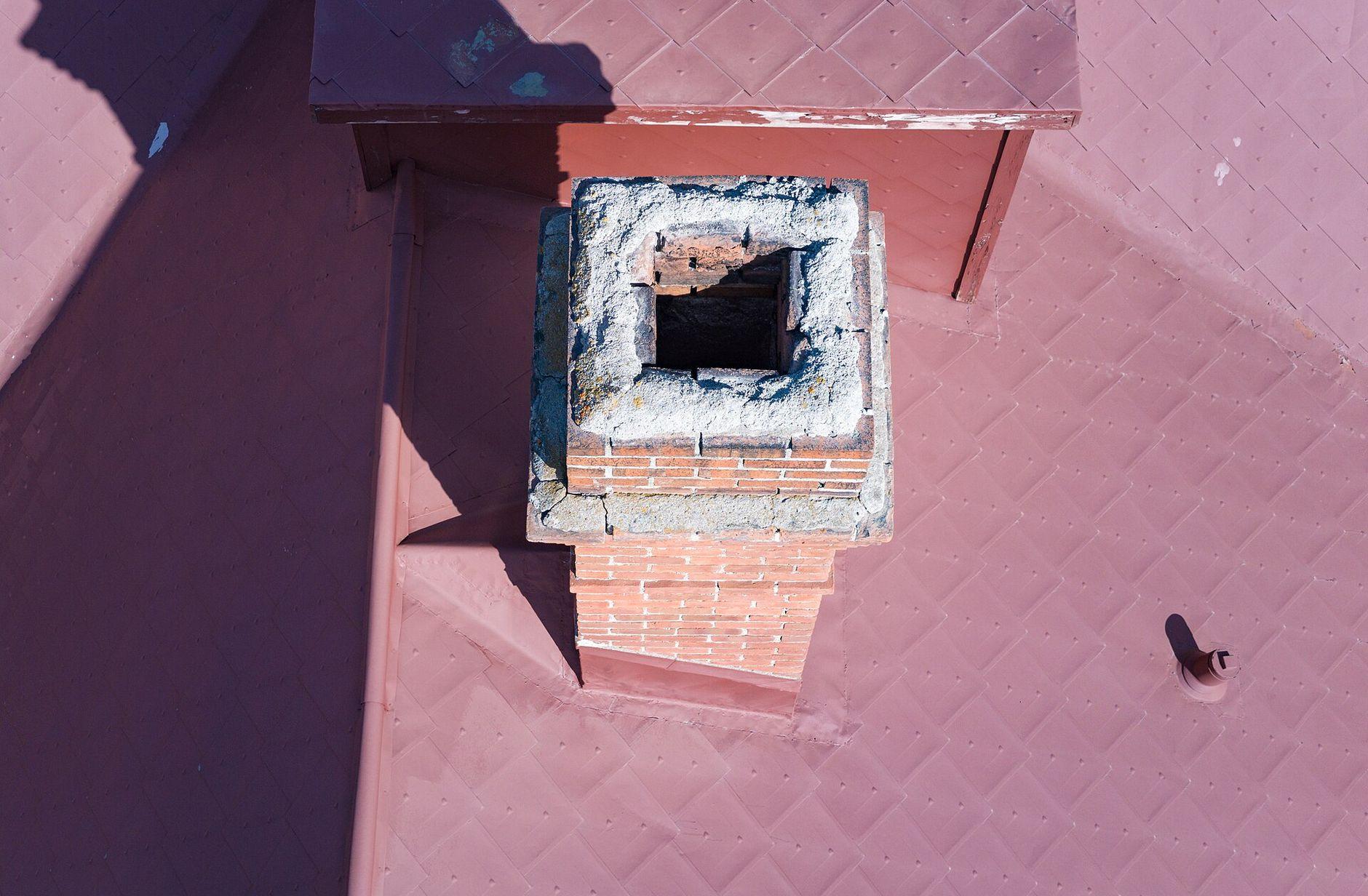
- open cracks in the crown, which has to seal tight around the new top plate
- a smoke chamber with gaps, or a damper frame sitting in the path the liner must take
- brick above the roof with mortar washed out of the joints
- a stack that leans, or a gap opening between the chimney and the house wall
When we find one of these, the report lists it on its own line and the insert is priced separately. You see which dollars belong to the chimney and which to the appliance. The Level 2 inspection page describes that visit, and the up to code repairs page covers what usually comes out of it.
What sets the installed price
Fitting a gas insert into a sound masonry firebox runs $2,900 to $5,850 installed on our price list. The Level 2 inspection that comes before it is $410. Where a job lands inside that range depends on a handful of things we can see at the visit:
| Item on the quote | Why it moves the figure |
|---|---|
| Stack height | More liner, more time on the roof |
| The model you pick | Heat output, trim kits and remotes vary |
| Gas at the hearth | A valve already in place saves a new run |
| Clearance work | Trim or a mantel shelf moved to meet the manual |
| Opening shape | Some fireboxes need a wider surround panel |
Wood inserts are a separate conversation. We do not publish a figure for them; the number arrives on paper once we have measured the firebox and seen the flue.
To get a figure for your own hearth, use the quote form and tell us three things: roughly how wide the opening is, whether the fireplace burns wood or gas today, and whether you want a wood or a gas unit. We phone back to arrange the inspection that comes first.
What you hold at the end
The paperwork matters as much as the heater. After an insert install you receive a written record that names the unit and its listing, the liner size and length, the clearances we measured, whether a permit was involved, and photos of the liner joint taken before the surround panel covered it. Keep it with the house papers. A future buyer's inspector, an insurer or a city inspector will all ask for the same facts, and you will have them in one place.
If the chimney itself needs work before an insert can go in, read our comparison of rebuilding or bracing a damaged stack. For the insert itself, the fireplace inserts service page lists the units and fuels we fit across Garden Grove, Santa Ana, Cypress and La Mirada.
Thinking about a sealed heater for the living room? Open our contact page, mention the insert, and we will start with the inspection.
Turning This Article Into a Scope
Dillon Chimney Experts reads each chimney against NFPA 211, the maker's listing and any city permit rule, then writes up what it found. Describe the request and the reason behind it, and the reply names the service, the level and any published price. Requests come from Garden Grove, Santa Ana, Cypress, La Mirada and the other areas on our list.