Embers are the reason the rule exists
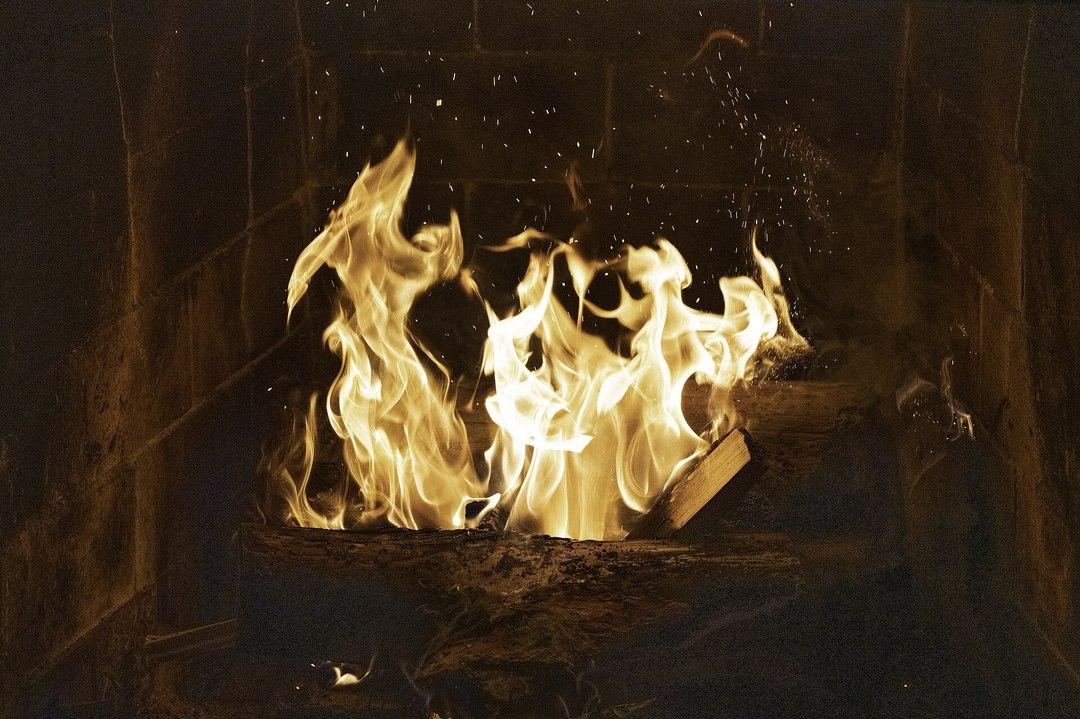
Every wood fire throws small burning flakes up the chimney. Most die on the way. Some do not, and on a dry October afternoon with a Santa Ana wind pushing west across Orange County, a live ember landing in a rain gutter full of leaves is a real fire start. The spark arrestor is a screen around the top of the flue that catches those flakes until they burn out. It is one of the cheapest parts of a chimney and one of the ones inspectors, insurers and fire officials ask about first.
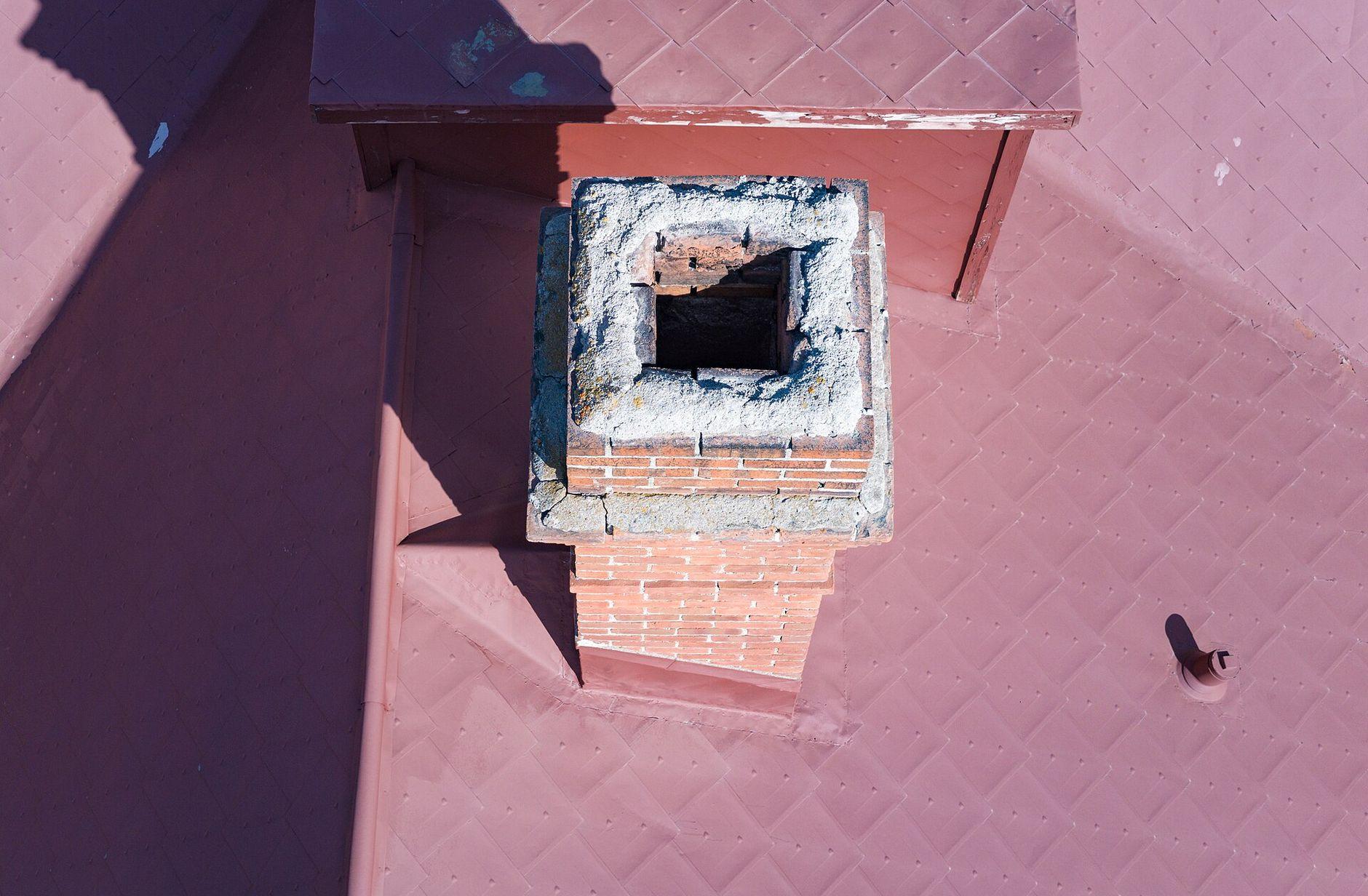
In Garden Grove we see three situations again and again: a flue with no cap at all, a cap with a screen that has rusted open or clogged solid with soot, and a cap that was never made for the chimney it sits on. All three show up on a Level 2 report, and all three are fixable in a single visit once the right cap is on the truck.
What the rules say, in plain terms
- NFPA 211 treats the top of the chimney as part of the venting system. A cap that blocks the flue, chokes the draft or traps soot is a defect, even if it looks tidy from the street.
- California fire rules and many insurers look for a working spark arrestor on chimneys that burn wood, and homes near brush or open land get the hardest questions. Even in the flat neighborhoods around Garden Grove and Cypress, an underwriter's form may ask whether one is fitted.
- Factory-built chimneys are different again. The metal flues common in 1970s and 1980s additions and remodels were tested with a matching top. Swapping in a generic masonry cap can void that listing. On these chimneys we fit the part the maker specifies or a listed equivalent.
- Gas only flues need a cap that keeps rain and birds out without disturbing the vent. A spark screen is not the point there; proper venting is.
Picking the cap
What we fit depends on what the chimney serves and how it is built.
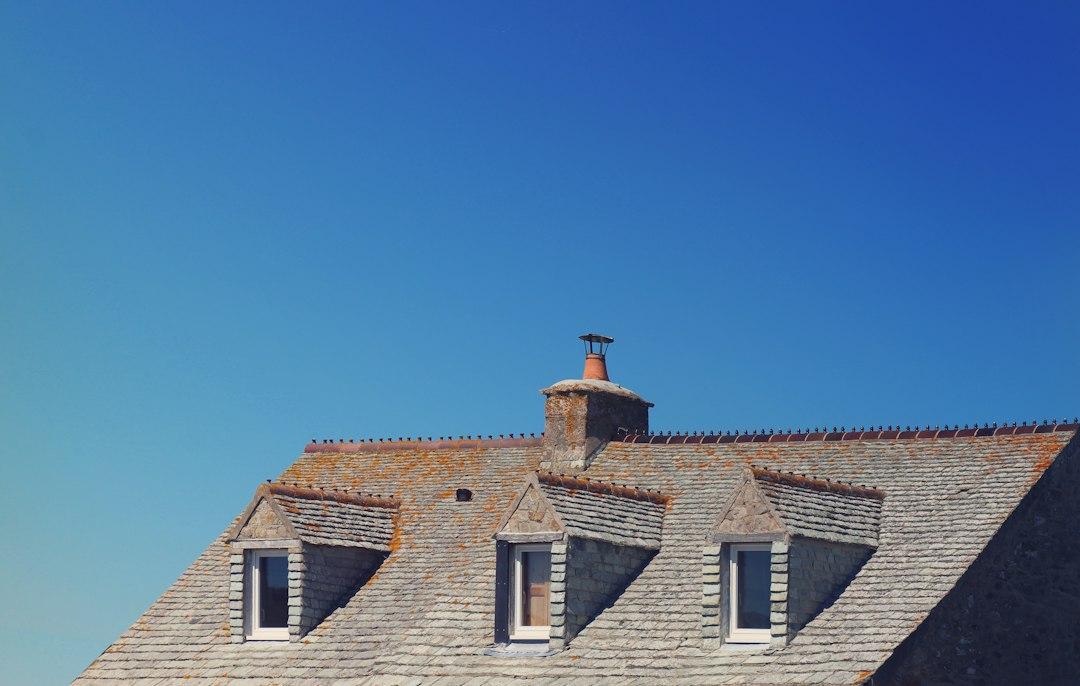
- Single flue, wood burning. A stainless cap that clamps to the flue tile, with an arrestor screen on all four sides.
- Two or more flues in one stack. A cover that spans the whole crown and sits over every tile at once. These are made to measure.
- Factory-built metal chimney. The listed top for that system, matched to its diameter.
- Copper. Chosen for looks on visible chimneys; it costs more and lasts.
A cap also keeps rain off the smoke chamber and stops birds and raccoons from nesting in the flue, so the benefit carries past fire safety. If the crown under the cap is cracked, the cap cannot seal or clamp properly, and we tell you before we fit it rather than after. The chimney crown repair page covers that side of the job.
What sets the cap price
Every cap we fit is quoted after we measure. Caps differ: a stainless single flue cap and a made to measure copper cover over three flues are very different objects. These are the things that set the price:
| On the quote | Effect |
|---|---|
| Number of flues to cover | One tile versus a full crown cover |
| Metal | Stainless or copper |
| Fabrication | Stock size or built to your crown |
| Roof access | Pitch, height and the condition of the tiles |
| Old hardware | Rusted caps or mortar to cut away first |
If the cap is part of a sale or an insurance request, the inspection comes first, and a Level 2 is $410. A cap on its own does not need one.
To book a cap visit, fill in the quote form and tell us how many flues you can count on top, whether you burn wood, gas or nothing, and roughly how tall the stack stands above the roof line. If you are not sure what is up there, say so; we can look while we are on the roof.
Signs your cap needs attention
- soot streaks running down the brick from the top
- a screen you can see is bent, crushed or missing from the ground
- birds going in and out of the chimney
- water in the firebox after rain
- a cap that rattles or tilts in the wind
None of these is urgent on its own unless you are burning wood, but each one means the top of the chimney is no longer doing its job.
Chimneys you no longer burn in
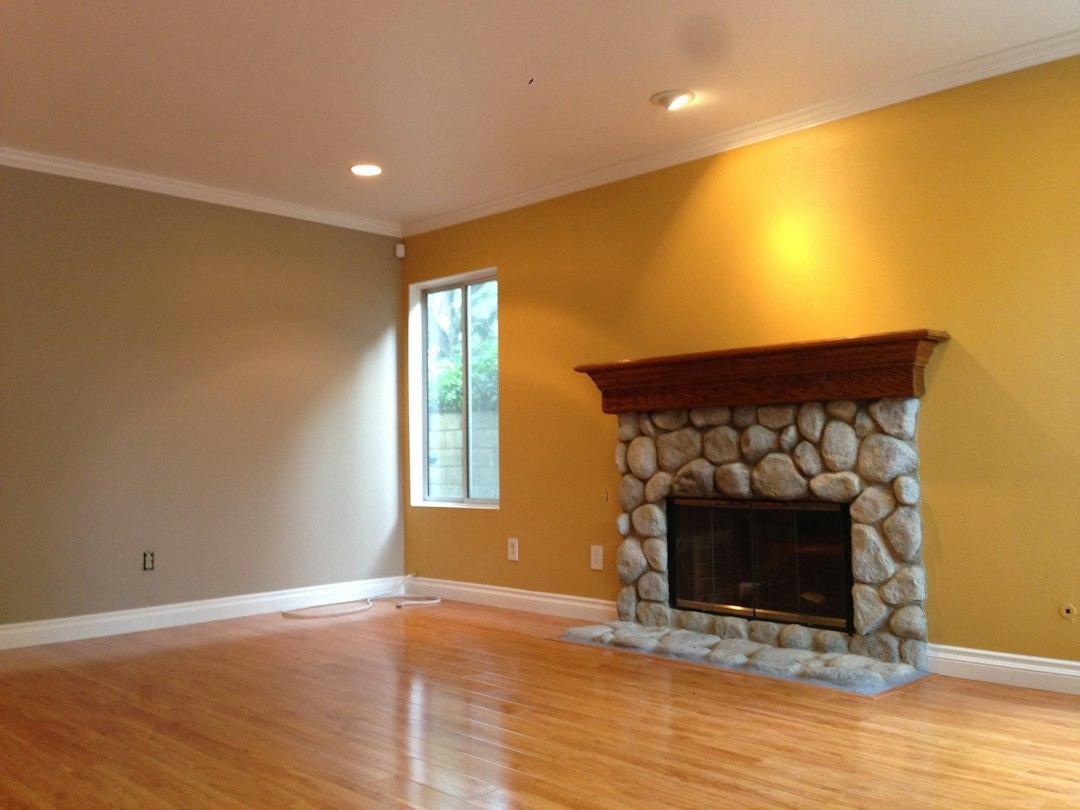
A good share of Garden Grove fireplaces have not seen a log in years. Some were converted to gas logs, some were simply closed off. Those chimneys still need a top. Without one, rain runs down the flue onto the damper, rusts it shut and stains the firebox, and the open flue becomes a nest site every spring. For a chimney that burns nothing, a plain cap with a screen to keep animals out is usually enough, and it is the simplest job. For a gas log set, the cap must not crowd the vent, so we check the gap between screen and flue when we fit it.
Where this fits with the rest of the house
A cap is often the first item on a repair list after an inspection, and for good reason: it is a quick job and it protects everything below it. If you are buying a home, read what the Level 2 rule means in a sale. If the chimney has a leak as well, our post on leaks and crickets covers the roof side.
The chimney cap installation page shows the cap types we fit around Garden Grove, Santa Ana, Cypress and La Mirada. When you want one on your own chimney, head to our contact page and mention the cap.
Turning This Article Into a Scope
Dillon Chimney Experts reads each chimney against NFPA 211, the maker's listing and any city permit rule, then writes up what it found. Describe the request and the reason behind it, and the reply names the service, the level and any published price. Requests come from Garden Grove, Santa Ana, Cypress, La Mirada and the other areas on our list.